
Stuart — 2018–2019
Rebuilding Stuart's internal operations platform from scratch
212M+
Deliveries completed
169k+
Couriers
109k+
Businesses
I joined Stuart in 2018 as a Senior Product Designer. I worked on the Back Office platform with the goal of rebuilding it from scratch — making it more efficient and capable of supporting the company's rapid growth. I also led the creation of Stuart's Design System, improving efficiency across both design and engineering teams.
About Stuart
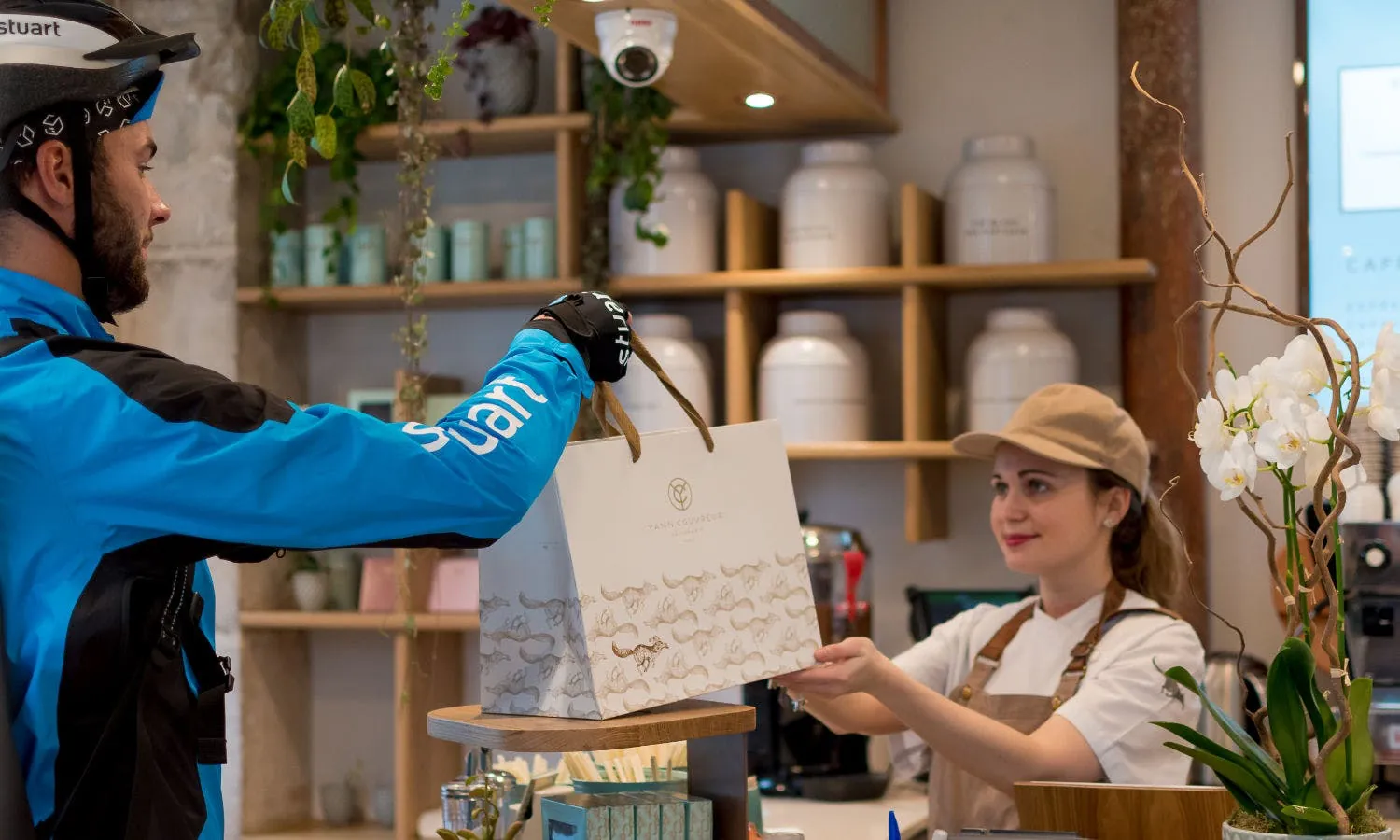
Stuart is a B2B delivery platform and on-demand logistics solutions for all kinds of businesses. In 2018, Stuart hit a tipping point and experienced exponential growth with more than 200k deliveries per week.
Intro to Mission Control
The Back Office is the platform used by our internal teams to manage the business and so it is an essential asset for the growth of the Company. The current version was designed and developed 7 years ago and it was starting to get old and not able to follow and drive the incredible growth of the Business.
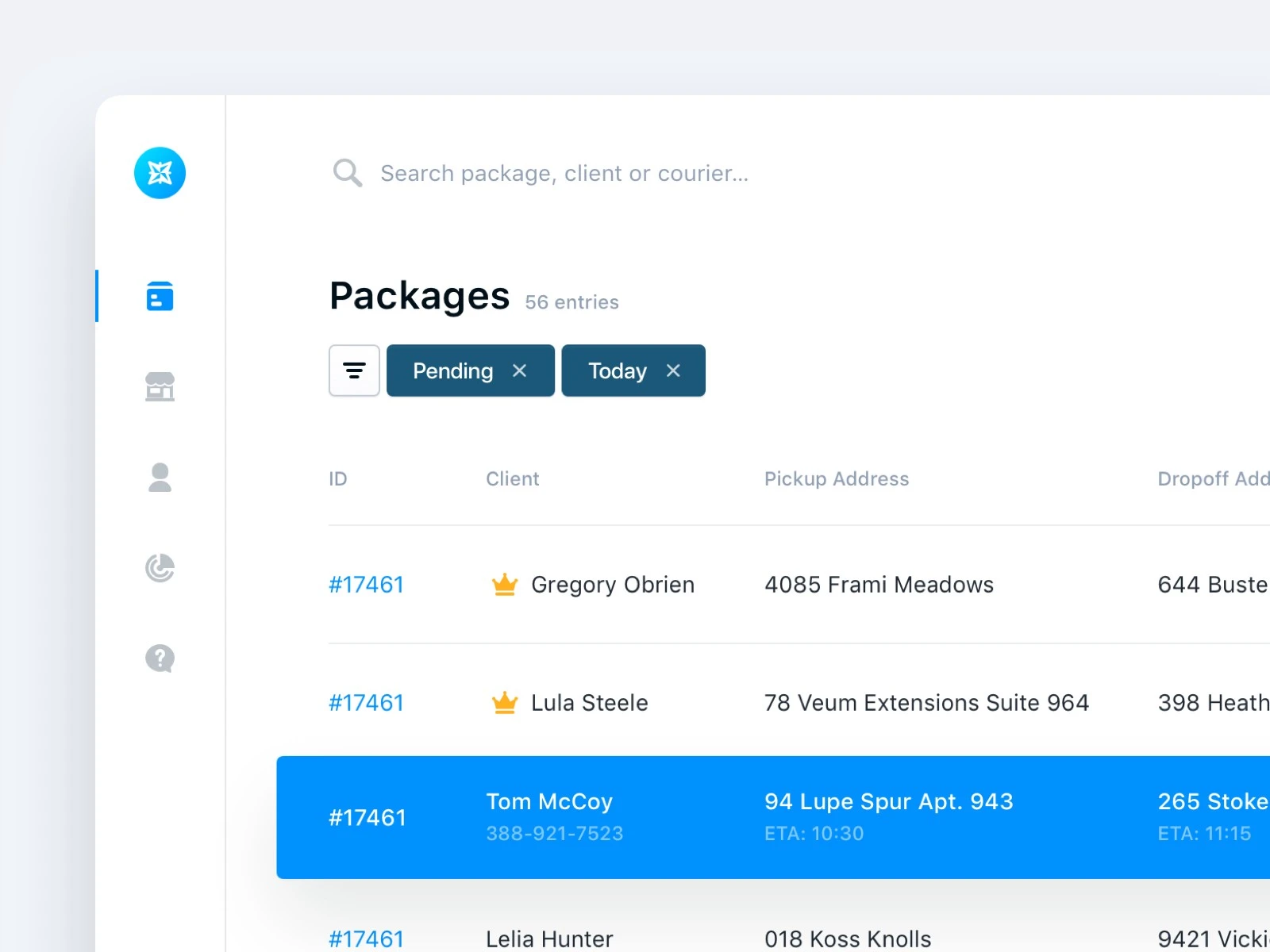
We wanted to re-think and rebuild the Back Office from zero with the latest technologies and with an improved UX to create a flexible platform to drive the business growth of the next years. The long term vision for the new version is to make it available also for the clients. My role in the project was to undertake user research and evaluation of prototypes, work with developers and provide the best solution to create the new Back Office platform of Stuart. We named it: Mission Control.
The Design Process
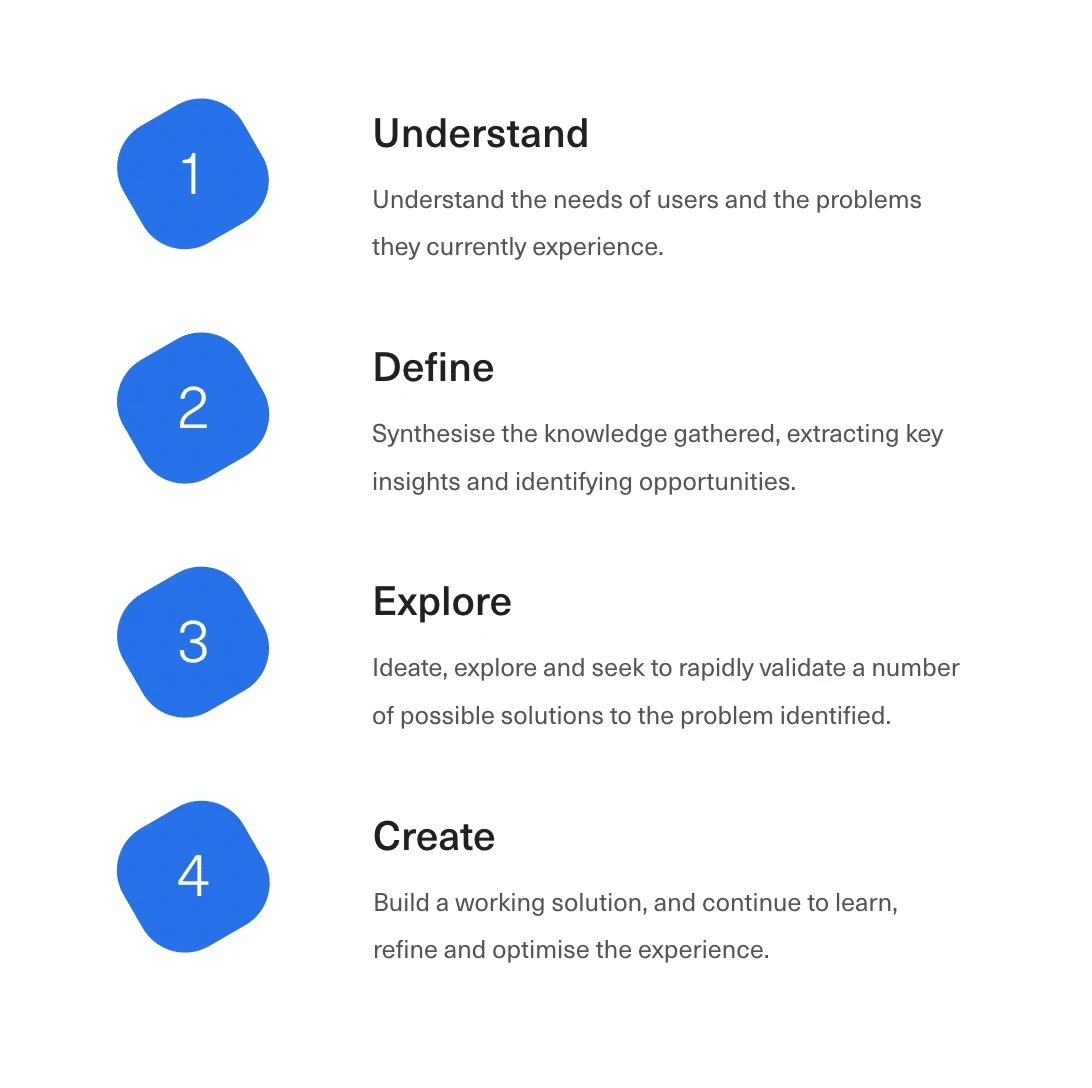
I approached this project following my usual design process. I started gathering information and data to understand the current situation and context, then I extracted and defined the key insights & opportunities and after presented all the results. I started exploring different ideas with the team and finally, we chose the best idea and I could create prototypes and run user testing to validate our solution.
1. Understand
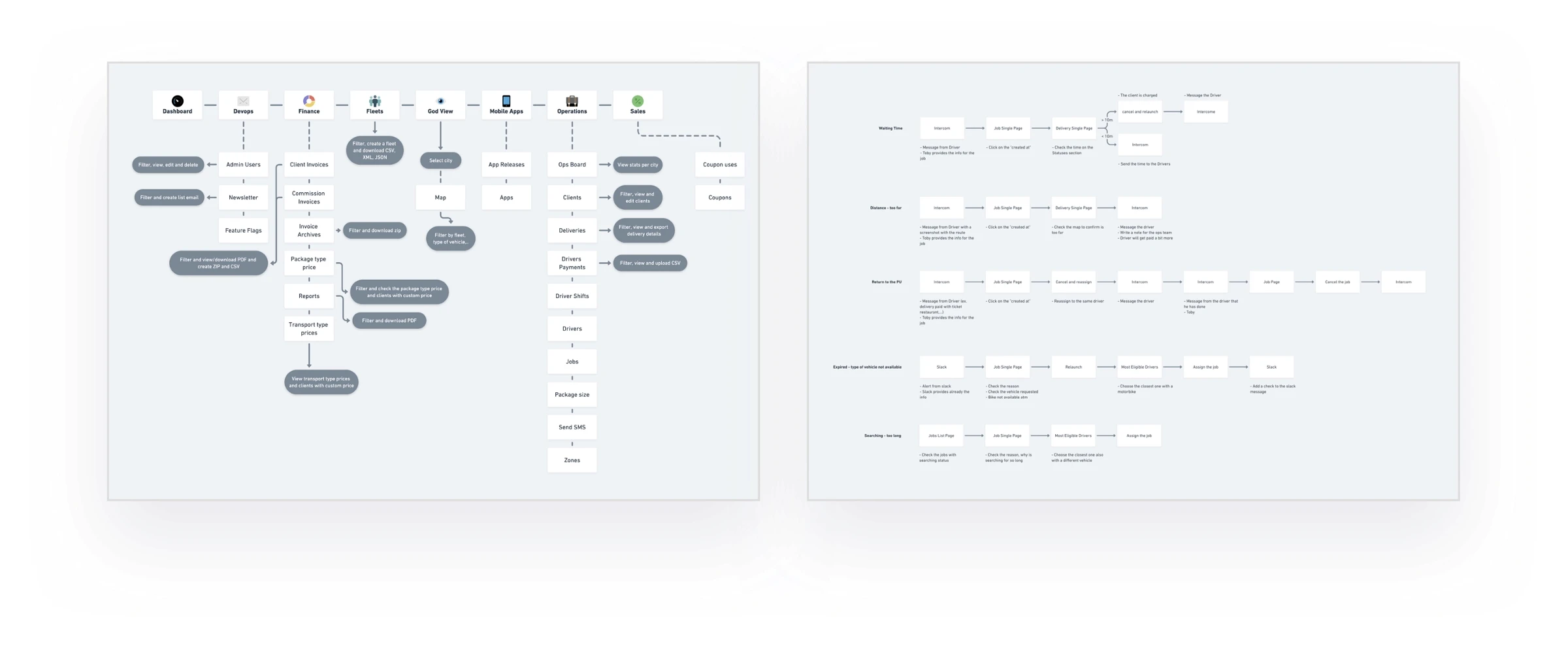
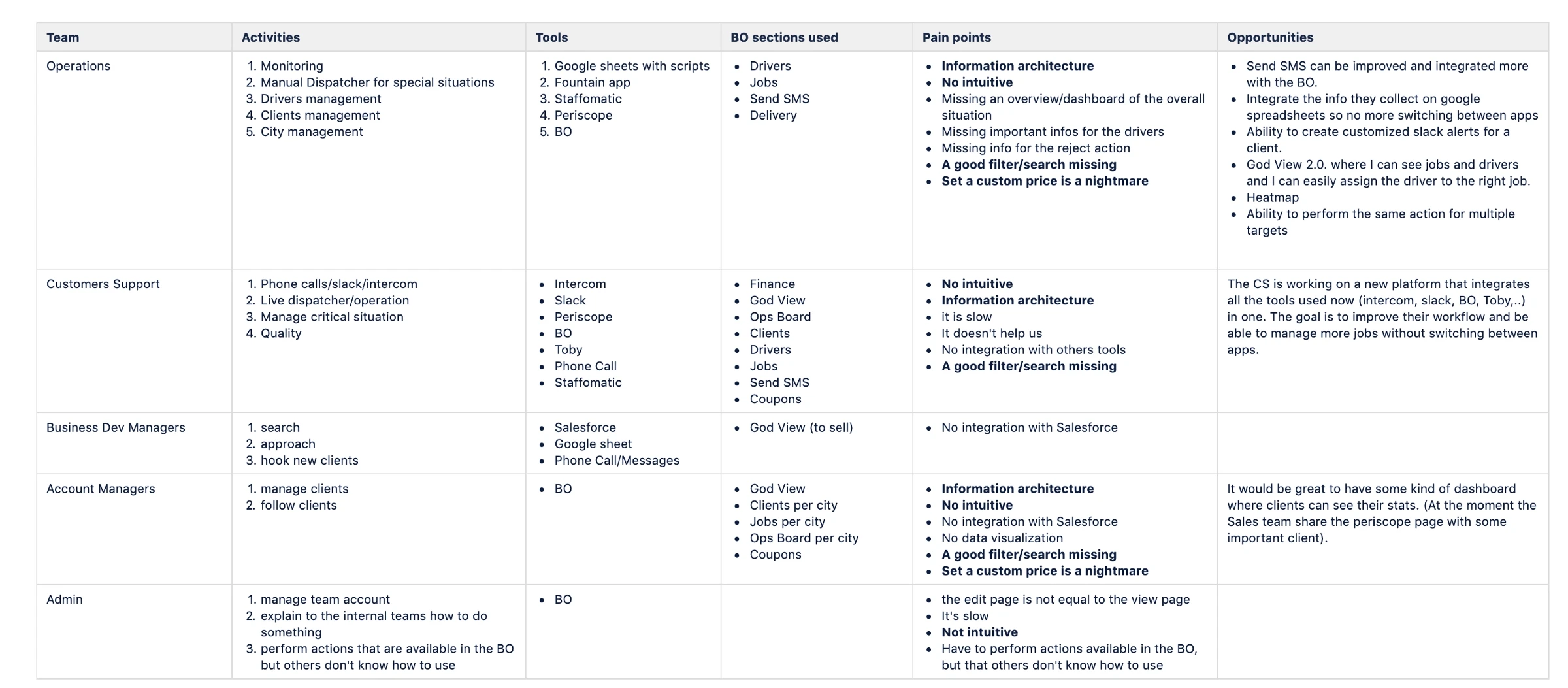
I talked and collected information from more than 50 colleagues around our offices in Europe to define the pain points and the opportunities with the current version. I also researched how successful companies approached this topic and checked if there were some best practices I should apply.
How does the Back Office work? Who are the users? When, how and why they use it? What are the pain points? What are the opportunities? How have other companies approached this topic?
2. Define
From this research, I identified and defined the user groups and their experiences (4 different teams with different goals and needs use the platform), the user problems and the opportunities. At the end I presented the results to the product manager and the team — it's very important to have everyone aligned and be aware of the results.
"It's not intuitive, hard to use"
"It's very slow sometimes"
"It doesn't make our life easier or more efficient"
3. Explore
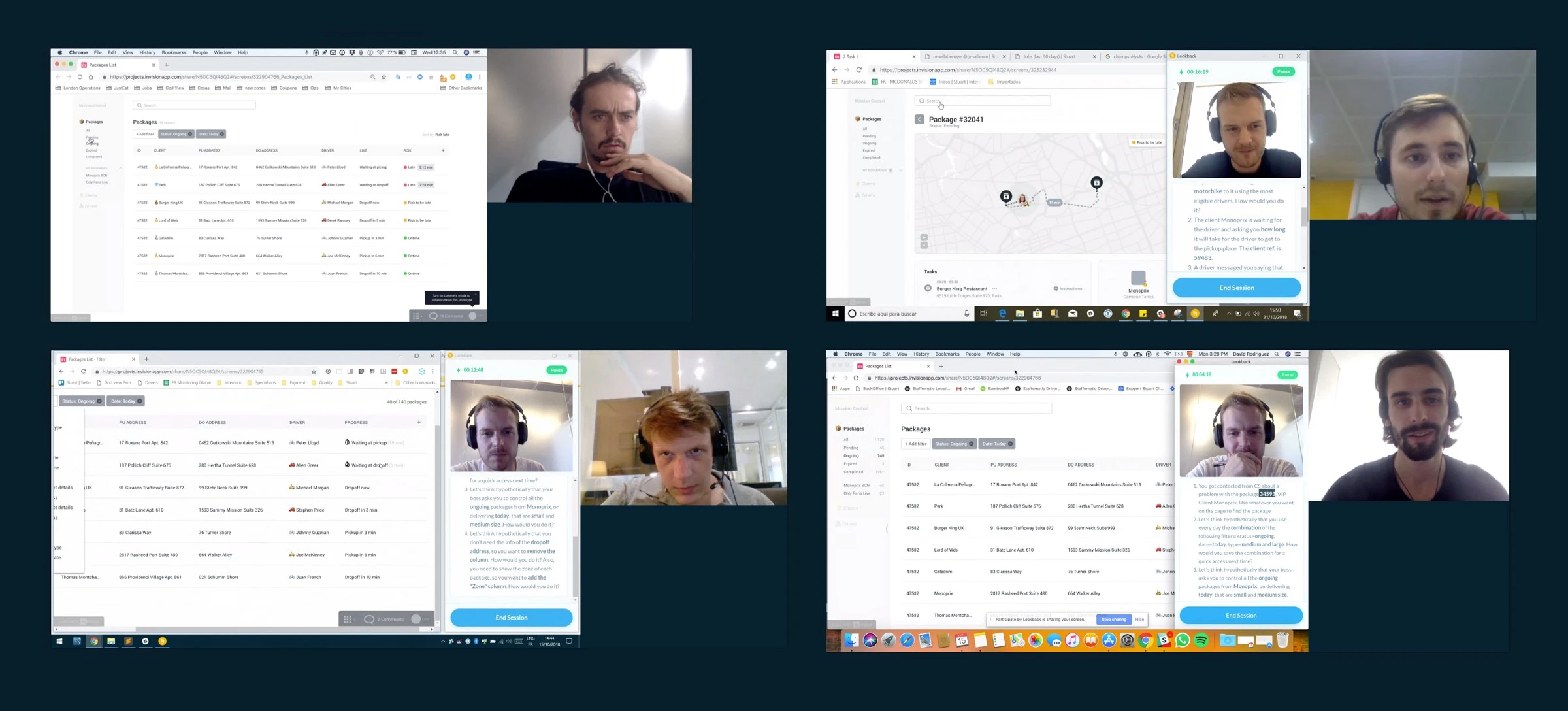
Then we ran multiple brainstorming sessions to explore different ideas, sketching them on paper and whiteboard. We applied some of the Google Design Sprint techniques, like the crazy eights. The goal was to generate as many ideas as possible.
From all the ideas, we selected the best ones and I started working on the low-fidelity prototype of the new platform. I ran multiple user testing sessions to validate the design solutions chosen and be sure the user experience was first class.
4. Create
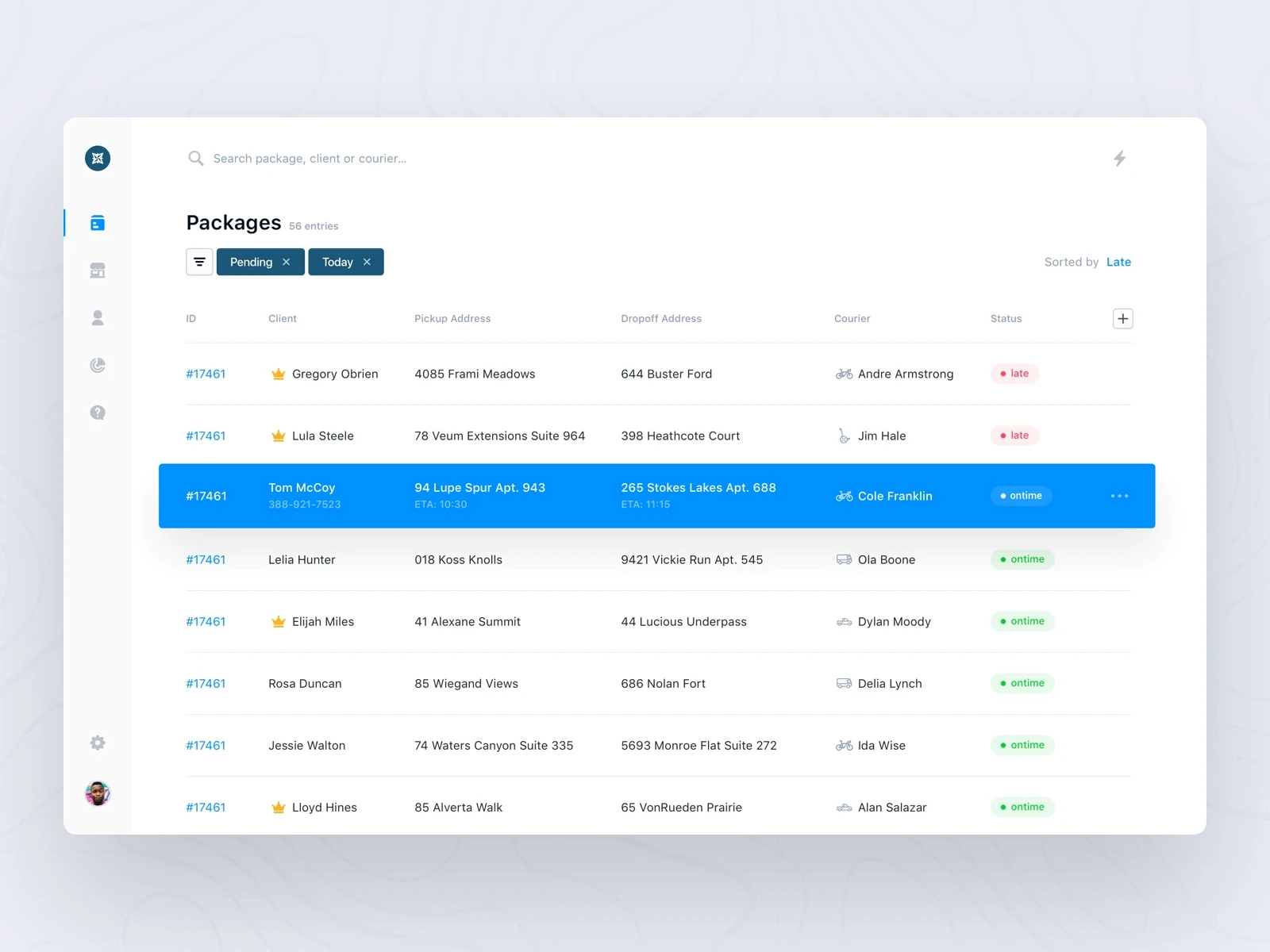
After the first iteration with all the feedback from user testing, I created an improved high-fidelity prototype and ran some additional user testing sessions.
The feedback and the user evaluations were incredibly positive and our internal teams are excited about the new user experience with the platform. The new user interface is slick and enjoyable to use — every element is studied to help the user perform their work in the easiest and fastest way possible.
It's just the first step to create a complete, scalable and integrated platform that can drive the company growth for the near future. We explored and discussed many different solutions to help our colleagues to perform their work in the most efficient way.
One feature we would like to implement in future updates is Voice Control. After many user tests, we believe it can meaningfully reduce the time users spend on their most frequent daily tasks.
The Conclusion
During these 2 months of work, I combined quantitative (data analysis) and qualitative feedback (expert interviews, user survey, user interviews and user testing) to create the best experience possible for our colleagues and help them to perform better during their daily work.
This is just the first version — of course, we could not solve all the problems we found during the research due to time and budget constraints, but we planned to solve all of them with the next releases of the platform.